Automatic fall detection and independent living: what families should know
Falls are a common worry when someone wants to keep living life on their own terms. The aim is rarely to watch every move. Most families want a quiet layers of support that respects privacy, keeps routines intact, and makes help easier to reach if something goes wrong. Automatic fall detection sits in that space. It can be one part of a wider plan, alongside practical home checks, clear communication, and a device the wearer is comfortable using.
What automatic fall detection means
Automatic fall detection is a feature that can identify a possible fall without the wearer pressing an emergency button. In wearable medical alarms, it usually relies on motion sensors and an algorithm that looks for a sudden change in movement followed by a period of little activity. Some devices also use location checks or other signals to add context. The exact method varies by product, so the useful question is not simply whether a device has the feature, but what it is designed to notice and what happens after a possible fall is detected.
This is different from an SOS alert. With an SOS alert, the wearer decides to call for help by pressing a button. With automatic detection, the device may raise an alert when the wearer cannot press it, for example after a hard knock, a faint, or a fall that leaves someone dazed. That does not make the button irrelevant. A person who is conscious and able to move may prefer pressing it because they know what happened and can give a clearer account.
Familyr provides wearable medical alarms in New Zealand with SOS alerts, fall detection, GPS location checks and two-way calling without a monthly monitoring fee. That combination shows why families often think about fall detection as part of a broader safety setup, not as a single fix. Detection answers one question: a possible fall may have happened. Two-way calling and location checks can help with the next questions: is the person okay, where are they, and what support is needed?
How the technology usually works
Most wearable systems follow a simple path. Sensors in the device track movement. If the pattern looks like a fall, the device starts a response. That response may include an alert, a check-in, or a call route depending on the product and the settings chosen. Some systems give the wearer a chance to cancel if the alert was triggered by a strong movement that was not a fall. Others move straight to the next step.
The details matter because no sensor can read every situation perfectly. A person may drop into a chair quickly and create a motion pattern that resembles a fall. A slow slide down a wall might be harder to recognise. A fall onto a soft surface, or one followed by immediate movement, may not fit the pattern the device expects. Good planning accepts that detection can be imperfect and makes sure there are other ways to ask for help.
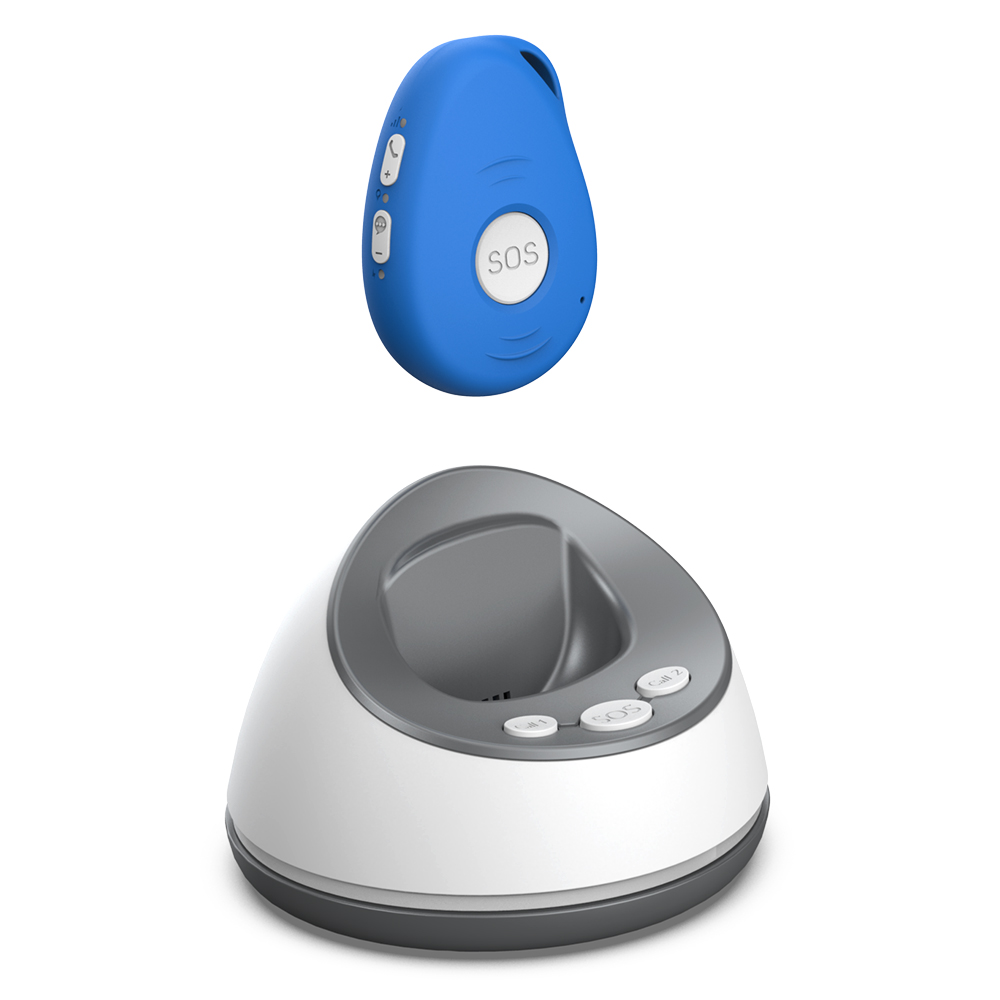
Placement and wearability also affect how useful the feature is. A pendant, wrist device, or clip worn on clothing needs to be on the body at the time of the incident. If it is left on a bench while someone gardens or showers, it cannot detect what happens. Comfort matters here. A device that feels awkward or annoying may be left aside, while one that fits into daily habits is more likely to be worn. This is where a discreet option such as the Familyr Medical Alarms fall alert pendant can fit into a plan that values ordinary routine over constant supervision.
Preserving independence while adding support
Independence is not only about doing everything alone. It also means having control over choices, privacy, and the pace of daily life. A safety plan works better when the older adult helps shape it rather than having it imposed. The conversation can start with what they want to keep doing: walking to the shops, tending a garden, meeting friends, cooking, or staying overnight away from home. Each activity has different risks and different support needs.
It helps to frame automatic fall detection as a backup, not a monitor. The device does not need to be discussed as proof that someone cannot manage. It can be presented as a way to make help reachable when a rare event interrupts the day. That distinction sounds small, but it changes how the plan feels. A person is more likely to use a device they see as their tool rather than a tag that others requested.
Choice also extends to who receives alerts and what should happen next. Families should agree on this before an incident occurs. If alerts go to someone who is often unavailable, the system loses value. If too many people are involved, the wearer may feel exposed. A clear, simple arrangement respects both safety and dignity. It can include a primary contact, a backup contact, and agreed wording for a check-in call.

What to check before relying on it
Automatic fall detection is most useful when expectations are realistic. Families can ask practical questions about the device and the response path. The aim is to understand what the system does in ordinary terms, without getting lost in technical language.
- What happens when a possible fall is detected, and who is alerted?
- Can the wearer cancel an alert if the detection was triggered by normal movement?
- How does the wearer call for help if they are conscious and able to press a button?
- Where can the device be worn safely during the activities that matter most?
- How are low battery, connectivity, or location checks handled?
Testing the planned response is sensible, provided it is done according to the product instructions and does not create a real emergency. A practice alert can reveal whether contacts know what to say, whether the wearable is comfortable, and whether the wearer understands how to cancel a false alert. It also gives everyone a chance to adjust the plan before it is needed. The point is not to catch anyone out. It is to remove confusion.
One more consideration is the home itself. A wearable alarm cannot prevent every fall, and it should not replace basic hazard reduction. Loose rugs, poor lighting, cluttered pathways, slippery bathroom surfaces, and unfamiliar furniture can all contribute to accidents. Simple changes, such as improving lighting or clearing a walking route, can support independence without turning the home into a clinical space. Electrical and gas work should be left to qualified professionals, and safety switches or protective devices should never be bypassed.
Talking about it without making it a battle
Families sometimes worry that raising the topic will feel like criticism. A better approach is to tie the conversation to a specific goal. For example, the goal might be continuing to walk each morning, travelling alone, or staying comfortable at home after a minor injury. Automatic fall detection can then be discussed as one tool that supports that goal, rather than a judgement about ability.
Tone does a lot of work. Questions such as "What would make you feel safest when you are out?" invite collaboration. Statements such as "You need this because you are fragile" tend to create resistance. It can also help to agree on a trial period, where that is possible, so the wearer can judge comfort and routine for themselves. If a device is disliked, forcing it may leave the person less safe than before, because they simply stop wearing it.
The Familyr Medical Alarms fall alert pendant may be relevant for families who want an SOS alert, fall detection, GPS location checks and two-way calling in one wearable format. The key point is not the label on the device. It is whether the person will wear it, whether the alert path is understood, and whether the plan leaves them feeling capable rather than watched.

Making the plan feel ordinary
The best safety arrangements tend to fade into the background. The wearable is charged or checked as part of a routine. Contacts know their role. The wearer knows how to press for help, how to speak through the device, and what to do if an alert was accidental. Automatic fall detection becomes one quiet layer in a life that still includes choices, privacy, and familiar activities.
For families, the measure of success is not constant awareness. It is knowing that a possible fall does not have to mean silence or delay. For the person wearing the device, success looks like being able to carry on with the day without feeling that independence has been taken away. Those two aims can sit together when the technology is explained plainly, the settings are agreed in advance, and the wearer remains the person in charge of their own routine.